
Data Catalog Governance
Data Catalog Governance - The results of better data unity and governance. A data governance strategy ensures your data is reliable, secure, and used effectively across your organization. This includes defining data ownership, assigning data classifications, establishing data quality standards, and ensuring compliance with regulations like gdpr and ccpa. Effective data governance ensures that data is consistent and trustworthy. Roughly there are 4 main categories of data catalogs. Data governance establishes policies, security, and compliance frameworks to maintain data integrity, while a data catalog structures and classifies data assets to make them discoverable and usable. Without one, data becomes inconsistent, quality suffers, and compliance risks grow. In a nutshell, it helps. Effective data governance requires careful management of data throughout its lifecycle. This is where metadata, ownership, lineage, and usage insights come together. A data catalog is a strategic tool that helps organizations unlock the full value of their data. In a nutshell, it helps. But for us, unity catalog is more than just a governance. Implement a data catalog or governance platform. Roughly there are 4 main categories of data catalogs. Data governance is a framework that is developed through the collaboration of individuals with various. New atlan named a visionary in the 2025 gartner® magic quadrant™ for data and analytics governance. By consolidating this information, a data catalog simplifies data discovery, supports more effective data governance, and enables organizations to maximize the value of their data. In this article, we’ll explore the origins of these challenges and highlight how a data catalog can serve as a solution to overcome them and can lead to the streamlining of the entire data governance process. If you’re serious about data governance, the first step is to explore a data catalog. They are analogous to document management systems that use metadata to describe documents, only their purpose is strictly for structured data. In this article, we’ll explore how globallogix can implement a data catalog as a key part of its data governance strategy to address these issues, ultimately improving trust in its data and empowering its business teams. By consolidating this. Effective & secure management of data assets is critical for any organization. A data governance strategy ensures your data is reliable, secure, and used effectively across your organization. Be sure to catalog the industry specific as well as federal/state/local data requirements and reference those in the governance strategy. Without data governance, a data catalog can quickly become outdated and inaccurate.. Data governance serves as the framework for managing the availability, usability, integrity, and security of data. In this article, we’ll explore how globallogix can implement a data catalog as a key part of its data governance strategy to address these issues, ultimately improving trust in its data and empowering its business teams. Data catalog uses metadata that will enable enterprises. A data catalog is a software application that creates an inventory of an organization's data assets to help data professionals and business users find relevant data for analytics uses. They are analogous to document management systems that use metadata to describe documents, only their purpose is strictly for structured data. What is data governance, and how do glossaries, catalogs, and. Be sure to catalog the industry specific as well as federal/state/local data requirements and reference those in the governance strategy. In this, the final blog of the series, i lay out how to get started quickly with data governance. Data governance is essential for effective data catalog management. In a nutshell, it helps. A tool like select star provides visibility. Roughly there are 4 main categories of data catalogs. What is data governance, and how do glossaries, catalogs, and lineage strengthen it? Data catalogs play a pivotal role in ensuring. Implement a data catalog or governance platform. While data governance identifies data owners, stewards, and users, the data catalog shows the data assets of an organization and where they’re located. In this, the final blog of the series, i lay out how to get started quickly with data governance. Effective data governance ensures that data is consistent and trustworthy. This is where metadata, ownership, lineage, and usage insights come together. Adopting unity catalog has fundamentally transformed data governance at groupement mousquetaires. Modern data governance refers to a framework of policies,. The results of better data unity and governance. While data governance identifies data owners, stewards, and users, the data catalog shows the data assets of an organization and where they’re located. Modern data governance refers to a framework of policies, processes, tools, and roles that ensure data is accessible, trustworthy, secure,. Learn how data catalogs enhances the impact of data. Implement a data catalog or governance platform. What is data governance, and how do glossaries, catalogs, and lineage strengthen it? Data catalogs play a pivotal role in ensuring. Roughly there are 4 main categories of data catalogs. In today’s rapidly evolving digital landscape, data is a powerful driver of economic growth, innovation, and societal progress. A tool like select star provides visibility into your data assets. What is data governance, and how do glossaries, catalogs, and lineage strengthen it? Modern data governance refers to a framework of policies, processes, tools, and roles that ensure data is accessible, trustworthy, secure,. This is where metadata, ownership, lineage, and usage insights come together. It also ensures that data. Effective data governance requires careful management of data throughout its lifecycle. New atlan named a visionary in the 2025 gartner® magic quadrant™ for data and analytics governance. What is a data catalog? Data governance establishes policies, security, and compliance frameworks to maintain data integrity, while a data catalog structures and classifies data assets to make them discoverable and usable. It also ensures that data is used in compliance with regulations and organizational policies. While data governance identifies data owners, stewards, and users, the data catalog shows the data assets of an organization and where they’re located. In today’s rapidly evolving digital landscape, data is a powerful driver of economic growth, innovation, and societal progress. Data governance is the process of managing the availability, usability, integrity, and security of the data in enterprise systems, based on the internal data standards and policies that control data usage. But for us, unity catalog is more than just a governance. They are analogous to document management systems that use metadata to describe documents, only their purpose is strictly for structured data. At the most basic level, data governance and data catalogs intersect in their use of data and data sets. What is data governance, and how do glossaries, catalogs, and lineage strengthen it? Data governance serves as the framework for managing the availability, usability, integrity, and security of data. Data governance is a framework that is developed through the collaboration of individuals with various. Data governance focuses on the effective management and control of an enterprise’s data assets. Roughly there are 4 main categories of data catalogs.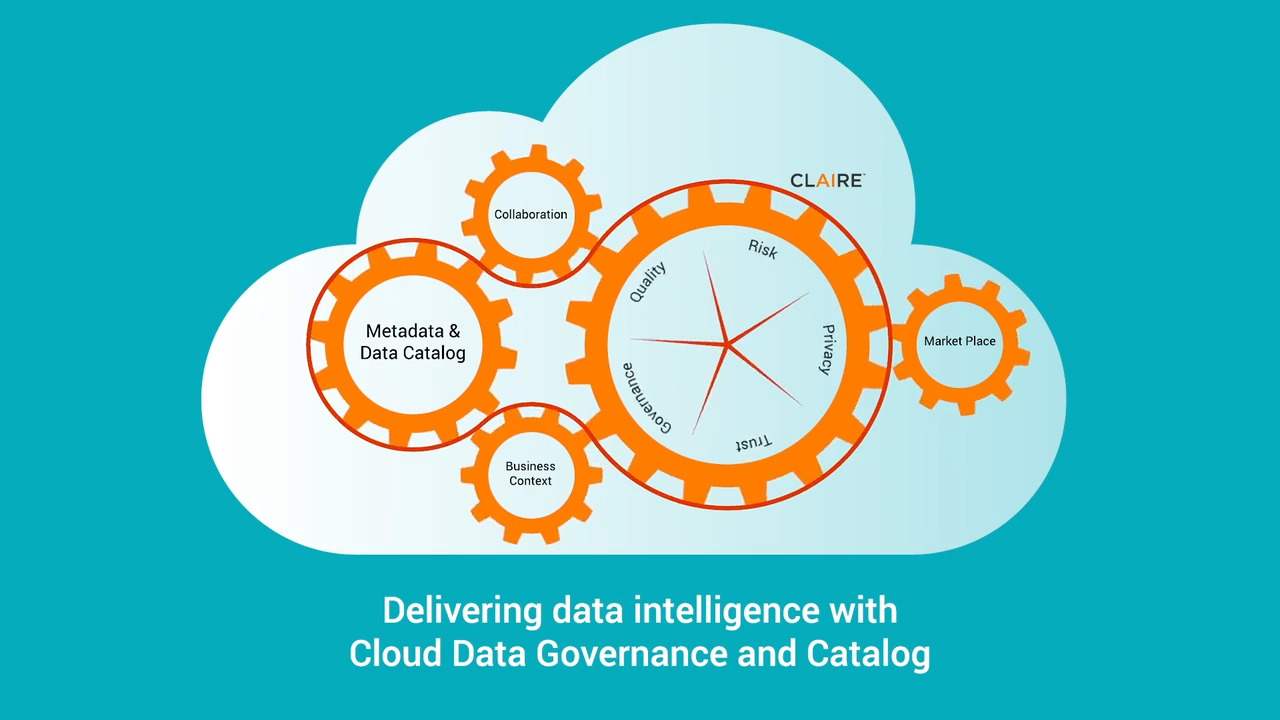
Cloud Data Governance and Catalog Deep Dive Demo Data Quality

Implementation reference architecture diagrams Enterprise Data
Data Catalog and Data Governance How Do They Complement?

Metadata Management & Data Catalog (Data Architecture Data Governance
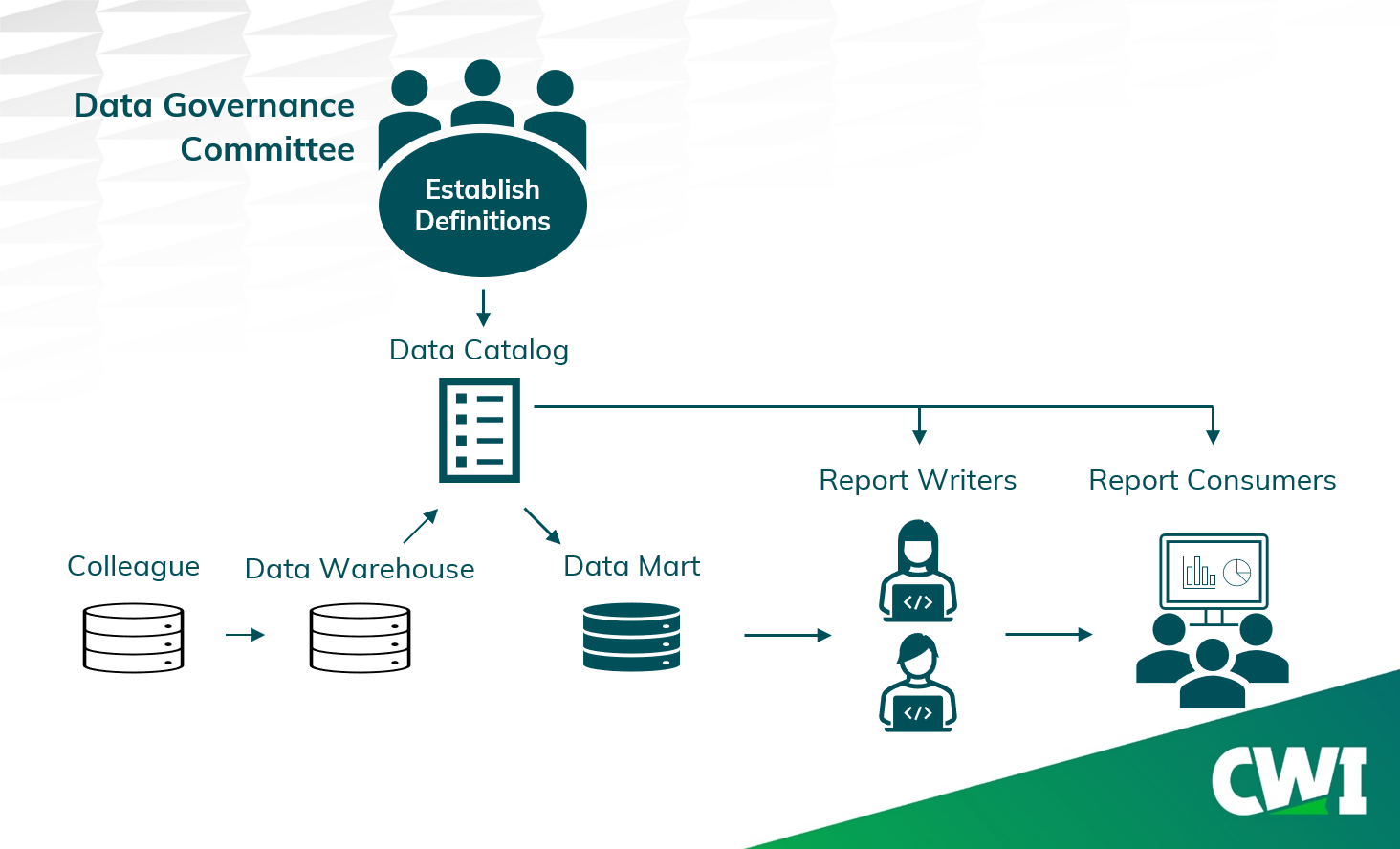
Data Governance Committee Launches CWI Enterprise Data Catalog CWI
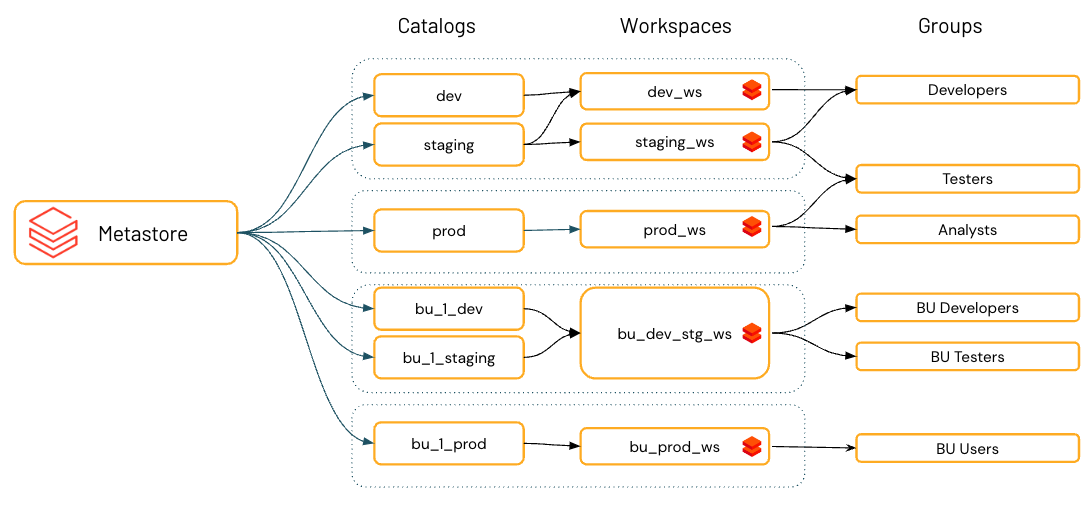
Data governance overview Azure Databricks Microsoft Learn

The Two Ways of Building Data Governance Accurity Blog
Data Governance vs Data Catalog Key Differences and Benefits

Enterprise Data Governance with Modern Data Catalog Platforms Gigaom

Informatica Cloud Data Governance and Catalog Demo YouTube
Begin By Understanding The Specific Requirements And Goals For Your Data Catalog.
A Data Catalog Creates And Maintains An Inventory Of An Enterprise’s Data Assets Across Its Entire Digital Environment.
If You’re Serious About Data Governance, The First Step Is To Explore A Data Catalog.
In This, The Final Blog Of The Series, I Lay Out How To Get Started Quickly With Data Governance.
Related Post: