
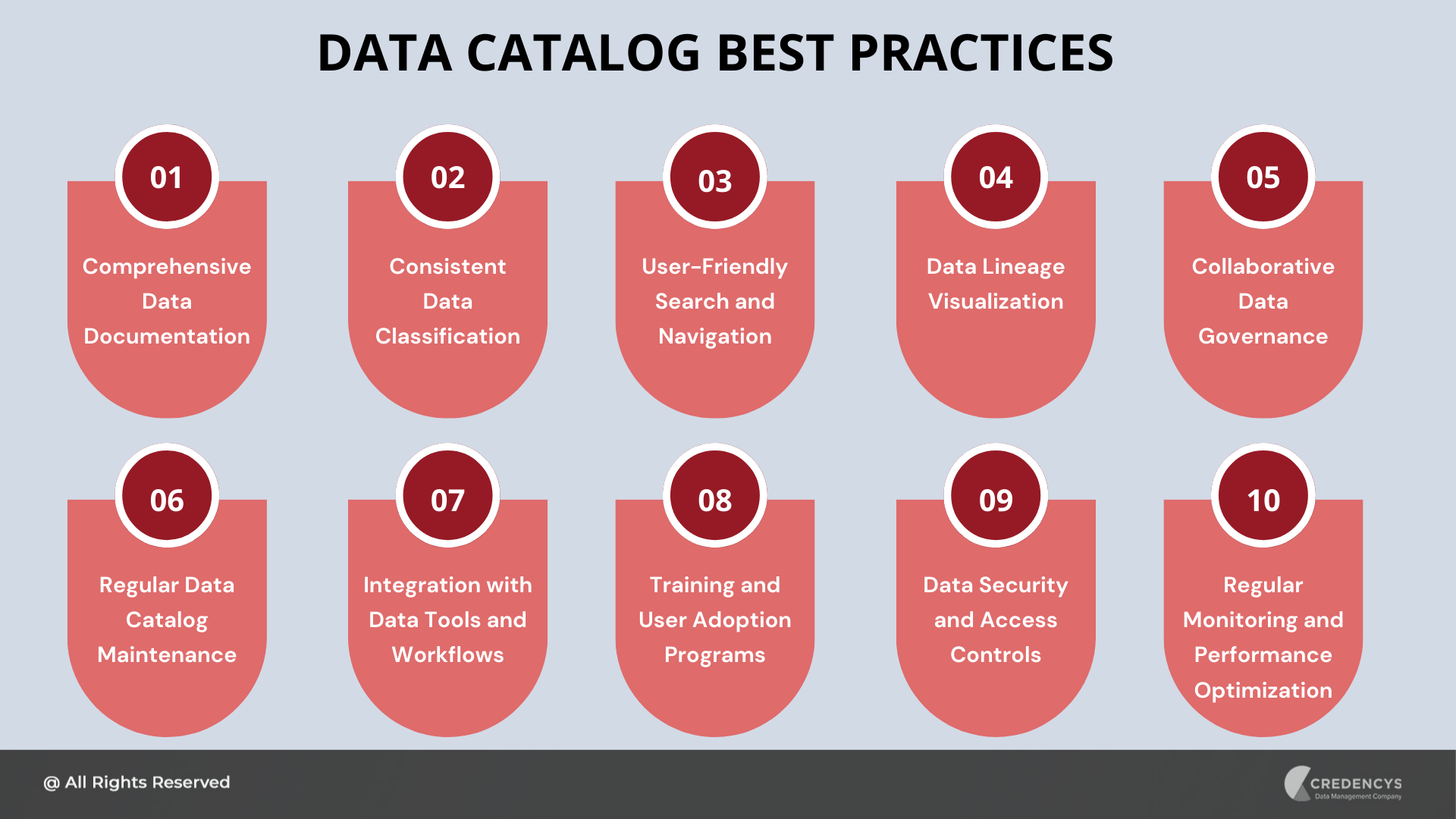
Data Catalog Best Practices
Data Catalog Best Practices - Data catalog management plays a crucial role in. A data catalog plays a critical role in transforming raw,. We have five best practices we recommend following when building a data catalog for your internal enterprise data marketplace. Simply collecting vast amounts of data isn’t enough—it needs to be organized, structured, and made accessible to be useful. Discover the essential strategies and best practices for effective data catalog management in this comprehensive guide. With companies increasingly relying on data—from harnessing gen ai to developing digital twins—to innovate and expand the business, ineffective or nonexistent data. 4 best practices for data security governance. Data leaders must define governance policies and standards for data. The first step to building a data catalog. Best practices for maintaining private cloud security maintenance. 1,000+ categorieslatest industry research2 million+ user reviewstrusted by millions Here are three data cataloging best practices for data leaders: We have five best practices we recommend following when building a data catalog for your internal enterprise data marketplace. In this article, we’ll explore the meaning of data catalogs and core concepts behind them, why they matter for modern data management, key features to look for, and the benefits. Here are some of the key features of a data catalog. In this article, we'll discuss what is a data catalog and the top 10 best practices for organizations to maximize the benefits of using a data catalog. Instead, surface governance context (like data descriptions, owners, and quality flags) where people work — in bi tools, notebooks, and data catalogs. The first step to building a data catalog. Data leaders must define governance policies and standards for data. Best practices for maintaining private cloud security maintenance. Here are three data cataloging best practices for data leaders: By following the best practices and tips outlined in this article, you can build a data catalog that meets your organization's needs. A data catalog acts as an organized inventory of an organization’s data, enabling. Simply collecting vast amounts of data isn’t enough—it needs to be organized, structured, and made. Implementation is just the beginning, and often the easiest, part of your organization’s private cloud security. 1,000+ categorieslatest industry research2 million+ user reviewstrusted by millions Here are three data cataloging best practices for data leaders: Simply collecting vast amounts of data isn’t enough—it needs to be organized, structured, and made accessible to be useful. Remember to define your data catalog's. Here are some of the key features of a data catalog. Build a better businessvm deployment in seconds90+ compliance offerings The first step to building a data catalog. • supporting data lineage by providing information about data assets’ origin, movement, and transformation. Data leaders must define governance policies and standards for data. Implementation is just the beginning, and often the easiest, part of your organization’s private cloud security. 4 best practices for data security governance. Simply collecting vast amounts of data isn’t enough—it needs to be organized, structured, and made accessible to be useful. Extensible open apis360° visibility of dataplugin marketplaceautomated pii detection The tool you deploy should align with data governance. Here are some of the key features of a data catalog. In this article, we'll discuss what is a data catalog and the top 10 best practices for organizations to maximize the benefits of using a data catalog. With companies increasingly relying on data—from harnessing gen ai to developing digital twins—to innovate and expand the business, ineffective or nonexistent data.. In this article, we’ll explore the meaning of data catalogs and core concepts behind them, why they matter for modern data management, key features to look for, and the benefits. In this comprehensive guide, we‘ll explore what data catalogs are, why. Build a better businessvm deployment in seconds90+ compliance offerings Simply collecting vast amounts of data isn’t enough—it needs to. Extensible open apis360° visibility of dataplugin marketplaceautomated pii detection 1,000+ categorieslatest industry research2 million+ user reviewstrusted by millions The first step to building a data catalog. Simply collecting vast amounts of data isn’t enough—it needs to be organized, structured, and made accessible to be useful. What is a data catalog and its. Here are some of the key features of a data catalog. Best practices for maintaining private cloud security maintenance. Remember to define your data catalog's scope, select the. The first step to building a data catalog. Extensible open apis360° visibility of dataplugin marketplaceautomated pii detection Discover the essential strategies and best practices for effective data catalog management in this comprehensive guide. Implementing data security governance requires a similarly balanced approach where security controls are selected and. Instead, surface governance context (like data descriptions, owners, and quality flags) where people work — in bi tools, notebooks, and data catalogs. Build a better businessvm deployment in seconds90+. Instead, surface governance context (like data descriptions, owners, and quality flags) where people work — in bi tools, notebooks, and data catalogs. A data catalog acts as an organized inventory of an organization’s data, enabling. • supporting data lineage by providing information about data assets’ origin, movement, and transformation. Data catalog management plays a crucial role in. In this article,. Extensible open apis360° visibility of dataplugin marketplaceautomated pii detection Remember to define your data catalog's scope, select the. Implementing data security governance requires a similarly balanced approach where security controls are selected and. Implementation is just the beginning, and often the easiest, part of your organization’s private cloud security. By following the best practices and tips outlined in this article, you can build a data catalog that meets your organization's needs. Here are some of the key features of a data catalog. In this article, we’ll explore the meaning of data catalogs and core concepts behind them, why they matter for modern data management, key features to look for, and the benefits. What is a data catalog and its. In this comprehensive guide, we‘ll explore what data catalogs are, why. The first step to building a data catalog. Instead, surface governance context (like data descriptions, owners, and quality flags) where people work — in bi tools, notebooks, and data catalogs. • supporting data lineage by providing information about data assets’ origin, movement, and transformation. The tool you deploy should align with data governance best practices by offering functionalities such as data cataloging, quality monitoring, compliance tracking, and policy. By following these best practices, you can ensure a successful data catalog implementation that supports your organization’s data management and business goals. With companies increasingly relying on data—from harnessing gen ai to developing digital twins—to innovate and expand the business, ineffective or nonexistent data. To stay competitive, businesses must efficiently organize, discover, and use their data assets.
Top 5 Use Cases of Data Catalog in Enterprises
Data Catalog Best Practices Proven Strategies for Optimization

Catalog and search Storage Best Practices for Data and Analytics
What is a Data Catalog? Definition, Benefits, Features, & More
Boosting the Data Governance journey with Google Cloud Data Catalog
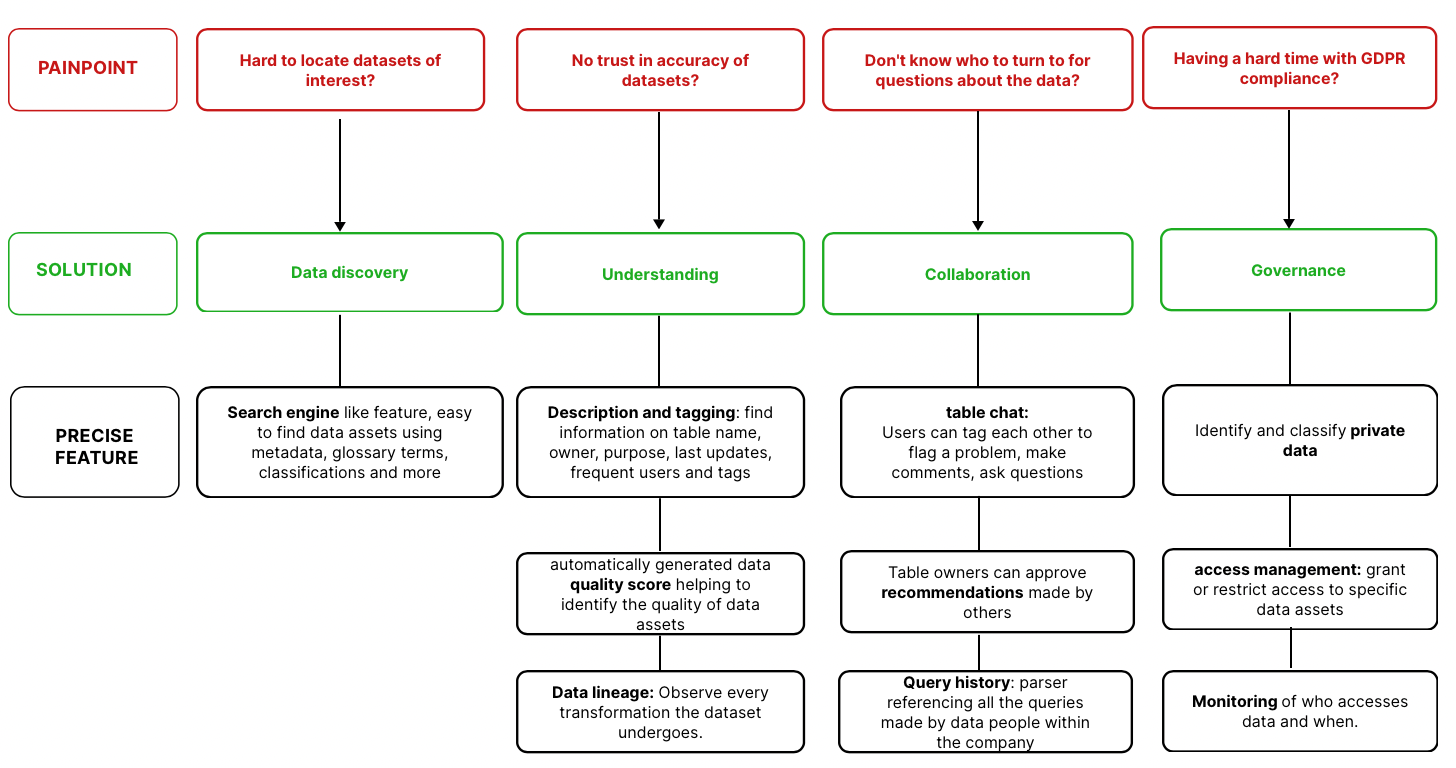
The Ultimate Guide to Evaluating a Data Catalog Castor Blog

What Is a Data Catalog? Definition, Examples, and Best Practices

Building and Managing a Data Catalog Best Practices CastorDoc Blog
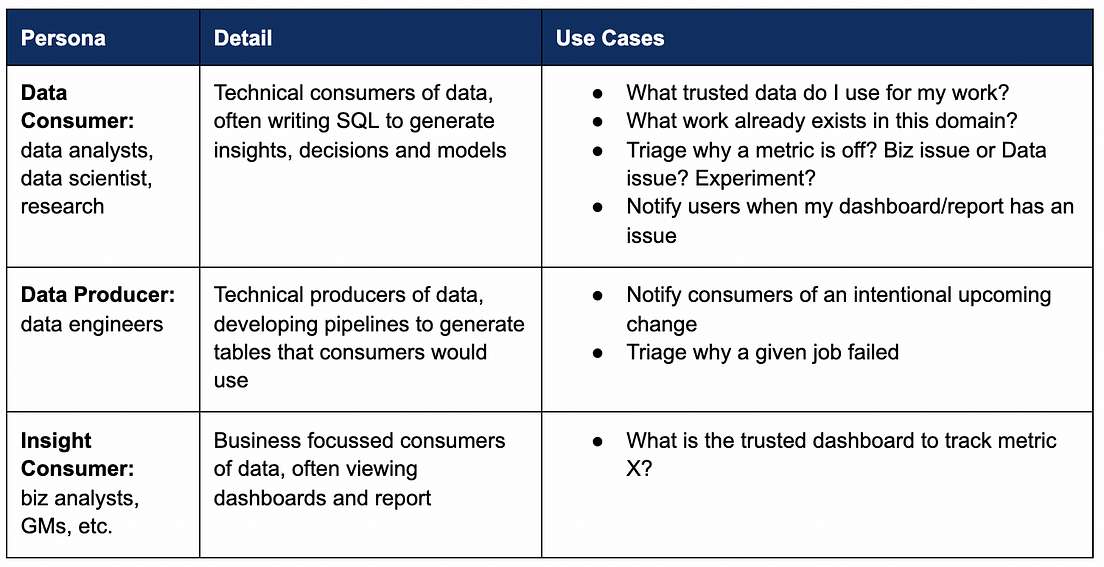
How to Make Your Data Catalog Successful by Mark Grover Towards
Data Catalog Best Practices Proven Strategies for Optimization
1,000+ Categorieslatest Industry Research2 Million+ User Reviewstrusted By Millions
Simply Collecting Vast Amounts Of Data Isn’t Enough—It Needs To Be Organized, Structured, And Made Accessible To Be Useful.
Data Catalog Management Plays A Crucial Role In.
Build A Better Businessvm Deployment In Seconds90+ Compliance Offerings
Related Post: